logo

Magnetic Particle Inspection Guide Covers Technology and Equipment Selection

October 25, 2026

hakkında en son şirket blogu Magnetic Particle Inspection Guide Covers Technology and Equipment Selection

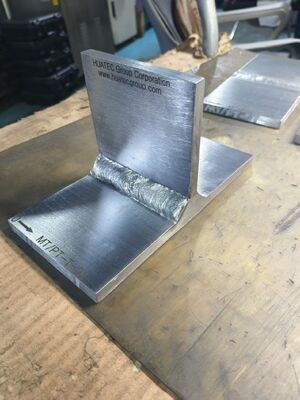
Magnetic particle inspection, a widely used nondestructive testing method, relies on magnetic fields to reveal surface and near-surface flaws in ferromagnetic materials. When a crack, porosity or inclusion disrupts the magnetic flux, a leakage field forms and attracts applied magnetic particles, making the defect visible. The technique is valued in aerospace, automotive, pressure-vessel and heavy-machinery manufacturing for its sensitivity and speed.

How magnetic particle inspection works

In MPI, a magnetic field is introduced into a ferromagnetic component. If the material contains a surface or near-surface discontinuity, the magnetic flux is distorted and a leakage field appears at the defect site.

Magnetic particles applied to the component are drawn to that leakage field, outlining the shape and location of the flaw. This makes the method effective for detecting fine cracks and other indications that may be difficult to identify visually.

Where the method applies

MPI is limited to ferromagnetic materials. It is not suitable for aluminum, copper or austenitic stainless steel, which require alternative methods such as penetrant testing or eddy current testing.

Within its material range, the technique is used to support structural integrity checks in aerospace, automotive, pressure-vessel and heavy-machinery production. Its sensitivity and speed make it a key inspection tool for components where surface and near-surface defects could affect performance.

Selecting equipment and consumables

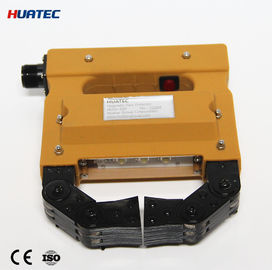
Inspection equipment ranges from portable magnetic yokes and mobile magnetic particle testing machines to fixed automated systems. Selection depends on the workpiece, the inspection environment and the type of defect being targeted.

Procurement decisions should also account for consumables such as dry or wet magnetic particles, contrast test blocks and magnetic suspensions. The table below summarizes the main selection factors.

Selection factor Primary consideration
Workpiece material Confirm that the material is ferromagnetic
Inspection environment Field work with portable equipment or laboratory use with fixed systems
Defect type Surface cracks or near-surface defects and required depth sensitivity
Consumables Dry or wet particles, contrast test blocks and magnetic suspension

Matching equipment and consumables to the specific inspection task helps maintain consistent indications and supports reliable evaluation of component condition.

Verification and lifecycle support

Before procurement, equipment should be checked against relevant industry standards such as ASTM and ISO. Technical parameters should be reviewed and a demonstration requested, with sensitivity confirmed using standard reference blocks.

Routine maintenance and repair also play a role in sustaining inspection accuracy. Scheduled servicing can extend equipment service life and help ensure that test results remain consistent over time.

Frequently Asked Questions

Is MPI suitable for non-ferromagnetic materials?
No. Magnetic particle inspection is limited to ferromagnetic materials such as carbon steel and alloy steel. For aluminum, copper, austenitic stainless steel and other non-ferromagnetic materials, penetrant testing or eddy current testing should be used instead.
How can equipment be checked against inspection standards?
Equipment should meet relevant industry standards, including ASTM and ISO requirements. Before procurement, technical parameters should be verified and a demonstration requested, with sensitivity validated using standard reference blocks.
How deep can magnetic particle inspection detect internal defects?
MPI mainly targets surface and near-surface defects. Leakage-field strength falls rapidly as defect depth increases, so its capability for deep internal flaws is limited. Deeper defects should be assessed with ultrasonic testing or radiographic testing.
Bizimle temasa geçin
İlgili kişi : Mr. JingAn Chen
Tel : 8610 82921131,86 13261934319
Faks : 86-10-82916893
Kalan karakter(20/3000)